Cessna 172RG Rear RH Baffle Assembly
Cessna 172RG Rear RH Baffle Assembly
Blog Article
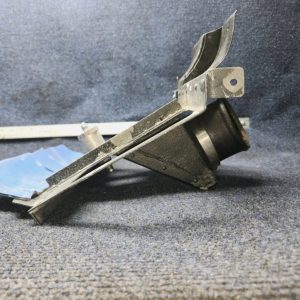
P/N 2455038-2 provides aircraft owners, maintenance facilities, restoration specialists, and aviation parts buyers with a model-specific engine-compartment component for an appropriately configured Cessna Cutlass.
The Cessna 172RG Rear Right-Hand Baffle and Cessna 172RG Engine Baffle terms describe related engine-compartment structures, while the exact Cessna 172RG Cooling Baffle should remain identified by P/N 2455038-2.
The Cessna Cutlass Engine Baffle and Aircraft Engine Baffle Assembly keywords help qualified buyers locate relevant replacement parts.
A Cessna Engine Cooling Baffle, Cessna 172RG Engine Compartment Parts package, Aircraft Cooling Air Baffle, and Cessna 172RG Airflow Baffle contribute to controlling how cooling air moves around the installed engine.
A Cessna Aircraft Engine Baffle can form part of an Engine Cooling Baffle Assembly, while a Cessna Cutlass Cooling System Part must correspond with the installed aircraft and engine configuration.
Reviewing the 2455038-2 Component
The seller should provide photographs of identification markings, flanges, holes, brackets, edges, formed contours, and previous repairs.
Informal cross-references should not replace current parts information or approved technical data.
Function of the Rear Right-Hand Baffle
The component should not be considered an isolated panel because its effectiveness depends on the condition of the complete baffle arrangement.
Complete evaluation helps maintenance personnel address the underlying cooling concern.
Aircraft Model and Serial Applicability
The Cessna 172RG Cutlass may contain production changes, previous repairs, engine modifications, or altered cooling-system components that affect fitment.
Qualified maintenance personnel should determine whether the component is suitable for installation.
Maintaining Original Baffle Geometry
The exact material, thickness, temper, finish, and construction should be confirmed through applicable technical information when required.
The baffle should be supported correctly during storage and shipment to prevent bending.
Rear RH Baffle Damage Inspection
A detailed inspection provides stronger evidence than a general good-condition description.
Cracks can begin near holes, bends, notches, bracket ends, and areas where the sheet metal has been repeatedly flexed.
Inspecting Engine Baffle Seals
Flexible seals help close gaps between metal baffles and surrounding cowling surfaces so cooling air follows the intended route.
Seal overlap, direction, clearance, and edge contact should be checked after installation.
Protecting Aircraft Cooling Components
Professional corrosion treatment helps preserve the remaining baffle within acceptable limits.
Responsible corrosion prevention supports long-term component value.
Maintaining Secure Baffle Connections
Loose fasteners in the previous installation may have allowed movement that damaged both the baffle and nearby components.
Old hardware should not be reused automatically because it fits the existing holes.
Cessna Cutlass Cooling System Components
The complete engine-compartment area should be inspected before parts are ordered.
Damage can vary across components exposed to the same vibration, heat, accident, or storage environment.
Avoiding Unnecessary Component Replacement
Temperature sensors and gauges should be evaluated when readings appear inconsistent with other operating evidence.
Cleaning or replacing one baffle should not be presented Cessna 172RG Rear RH Baffle Assembly as a guaranteed cooling improvement.
Repairing a Damaged Engine Baffle
A documented repair plan supports a more consistent result.
Professional workmanship can extend component value while preserving cooling-system geometry.
Buying P/N 2455038-2
A clean appearance can improve presentation but does not replace detailed inspection.
Unsupported direct-fit, cooling-performance, or airworthiness claims should be avoided.
Inspecting the Baffle Before Purchase
The buyer should request enough information for qualified maintenance personnel to evaluate the component before purchase.
- Determine whether seal material, retainers, fasteners, clips, brackets, records, or release documents are included.
- Arrange qualified evaluation whenever geometry, material loss, repair quality, or installation suitability remains uncertain.
- Report freight damage, missing pieces, dimensional differences, undisclosed repairs, corrosion, or identification discrepancies promptly.
Aircraft Cooling Baffle Packaging
Padding should prevent direct contact with hard surfaces without trapping damaging moisture.
Heavy objects should never be stacked on the baffle.
Professional Engine Baffle Installation
The baffle should be trial-fitted to confirm contour, hole alignment, bracket position, seal contact, engine clearance, and cowling relationship.
Correct workmanship supports a secure and effective cooling-air boundary.
P/N 2455038-2.
Long-Term Rear Baffle Inspection
Long-term maintenance includes periodic inspection of the baffle, seals, fasteners, brackets, adjacent panels, cowling contact areas, protective finishes, and corrosion-prone locations.
Seal material should remain flexible, correctly oriented, securely attached, and positioned against the intended cowling surfaces.
Cessna 172RG Baffle Assembly Conclusion
P/N 2455038-2 can provide valuable maintenance, restoration, cooling-system repair, or spare-inventory potential when its identity, condition, geometry, and compatibility are verified.
Careful technical and commercial evaluation can reduce fitment errors, missing-component costs, cooling-system gaps, installation delays, and unexpected corrosion findings.
Whether the project involves Cessna 172RG Engine Compartment Parts, an Aircraft Cooling Air Baffle, a Cessna 172RG Airflow Baffle, or a Cessna Aircraft Engine Baffle, every component should be inspected individually.
With complete evaluation and continued care, the Cessna 172RG Rear RH Baffle Assembly
Report this page